Welcome!!!
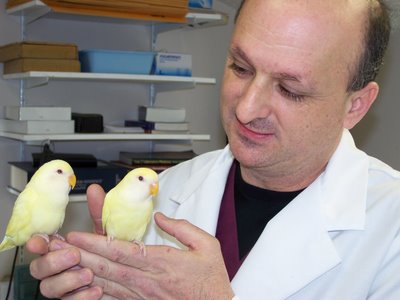
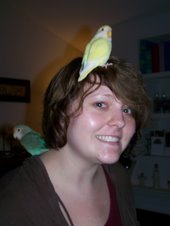
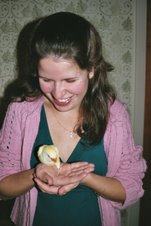
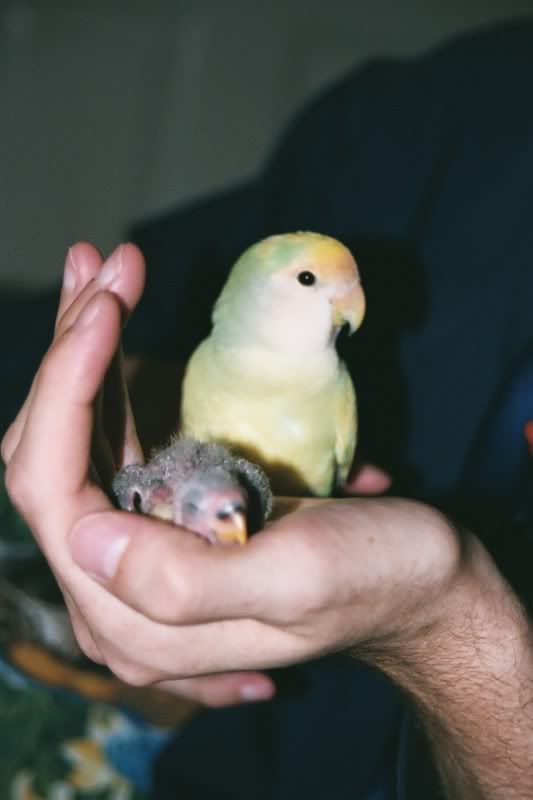
We are the owners of an awesome E-Bird store (stuff for all birds of all sizes!) and Lovebird Aviary in Cary, NC. Our birds are quite popular because of their temperaments and socialization. Our dear Angel passed away on July 30th, 2007 and we lost our Evee on September 11, 2013. We have retired from breeding but are advocates of fostering and adoption!
True Love Aviary's Family
Highlights from 2005-2009
Availability:
Our Birdroom!
BeBe's Set-up for 1 Lovebird!
1 Cockatiel or 2 Lovebird Set-up
Parakeet or Budgie Set-up
Amazon Parrot Set-up
About our lovebirds:
Saturday, April 24, 2010
Tuesday, December 8, 2009
Birdie Bread for our Flock!
Posted by
Tamara
at
12:35 PM
0
comments
Labels: amazon, Birdie Bread, Cockatiel, e-Bird Store, Evee, Lovebird, Parakeet, Products, Video
Wednesday, November 11, 2009
Pigwidgeon crossed the Rainbow Bridge today.
Pigwidgeon passed away today. My heart is absolutely broken. He died just the way I wanted him to though, in his tent in his sleep.
He had had a couple of rough days since the weekend, throwing up his food and the such, which isn't out of the normal since the tumor had gotten so big.
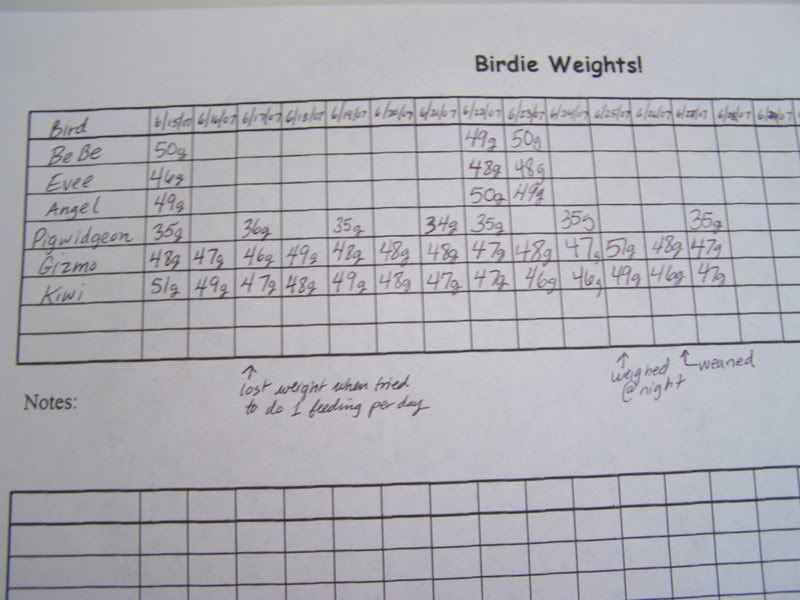
I thought of him as my invincible bird. He was a rescue from our downstairs neighbor who was moving and didn't feel like they would have room for him. When we got him over 2 1/2 years ago, his cancer was in the beginning stages and Dr. B gave him 3-6 months to live. He had really bad fatty liver disease as he had been on an awful seed diet.
Within a month of having him, we got Hedwig and that was the best thing ever for him. He was much more perky.
I took him in for a follow-up 3-4 months after his first check up, and Dr. B showed me how the tumor had progressed and gave him another 3-6 months.
However, he just kept chugging along. We did clear up that fatty liver problem and that was a very gratifying experience in not only helping his health but using him as an example of how to change over a bad diet and get a bird's health back on track. He would occasionally get really sick and then later he'd be himself perky again. In the past year or so, he's gotten a lot more cuddly and needy. He would often fly to us and cuddle with us or just hang out with us.
Funnily, when he was feeling sick, he would go in the bottom of his cage and get fluffy, and Hedwig would have none of that! She would get soooooo mad. She would go flying down there real quick and yell at him and push him back up on to his perches no matter how many times he went to the bottom. They cuddled together in their tent and she would preen him as he would also preen her. She took good care of him.
About 5 months ago, we thought we were going to lose him. He appeared to have a stroke and couldn't use one side of his body. We put him in a hospital cage and kept him warm. The next day, though, he was using both sides of his body and was himself again.
He was a character for sure. He always was getting into trouble. Whether he'd tempt fate by stealing food from the lovies or just try and hang out with them, it was always a wonderment that he didn't get more than just an occasional foot bite. He did lose the end of one toe one time when he just made a bad mistake with our lovebirds! There was blood everywhere when we had to try and get him and clean him up. Eeek. He loved to go into the babies' cages as well. Silly boy.
Rodney found him around 10am this morning. He was in his tent and had been sleeping. He slept a lot generally anyways. He went peacefully. I always said I just wanted him to go in his sleep in his tent rather than us find him in the bottom and that's the way he went. A Mother's comfort for me.
I miss him so much already. He was a joy and God gave us so much extra time with him. That was truly a blessing and I can't be more grateful for the time I had with him as well as his ability to bring light and joy into my life.
Posted by
Tamara
at
3:00 PM
7
comments
Labels: Budgie, Parakeet, Pigwidgeon, Rainbow Bridge, RIP
Sunday, November 1, 2009
Winnie advertises for us!!
Posted by
Tamara
at
5:10 PM
0
comments
Labels: Advertising, Budgie, e-Bird Store, Parakeet
Thursday, August 13, 2009
A Blond Beauty With the Babies
Baby Calais
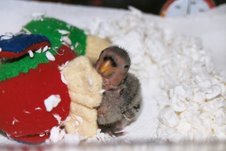
Bright colors like reds, oranges, and yellows can actually scare some parrots. So to dilute this trait, we put a bright red stuff parrot in their brooder and let our friends with blond and red hair play with them frequently. Here is our friend Brittany playing with babies.
They were all over her!
The babies and Brittany had a great time.
Posted by
Tamara
at
7:05 AM
0
comments
Labels: Brittany, Calais, Capri, Dublin, European Clutch, Friends, London, Parakeet, Socialization, Vienna
Tuesday, April 29, 2008
Sprouting for Birds!
For larger quantities of beans/seeds, you can rinse with them in the bowl and stirring with your hand and then drain them with a larger strainer.
5 types of beans/seeds:
Mung
Adzuki
Rolled Oats
Garbanzo
Green Lentils
Tuesday, April 15, 2008
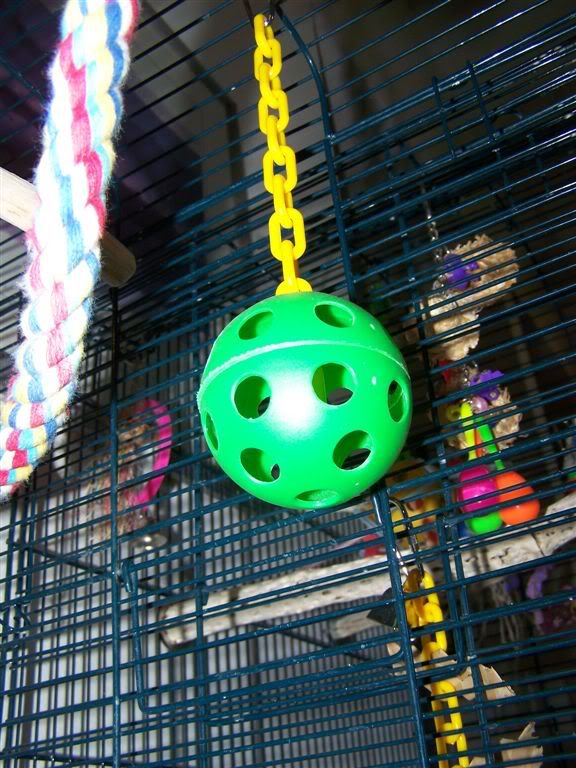
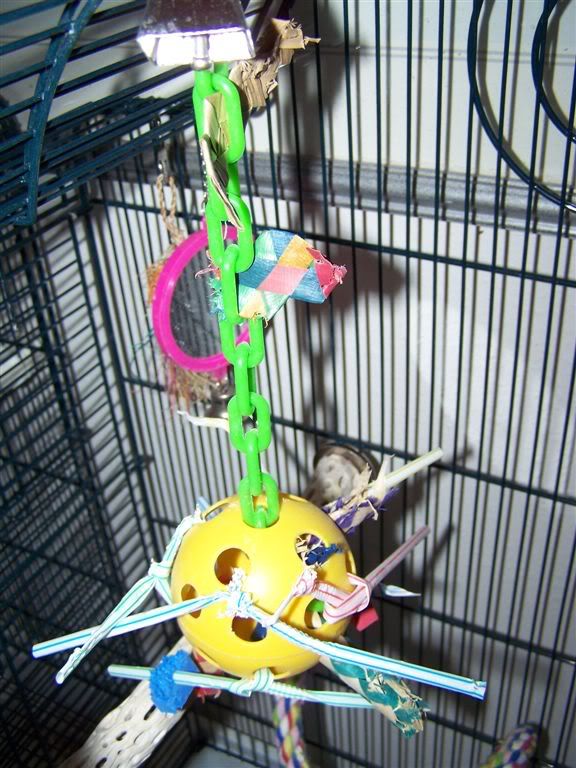
Whacky Balls!
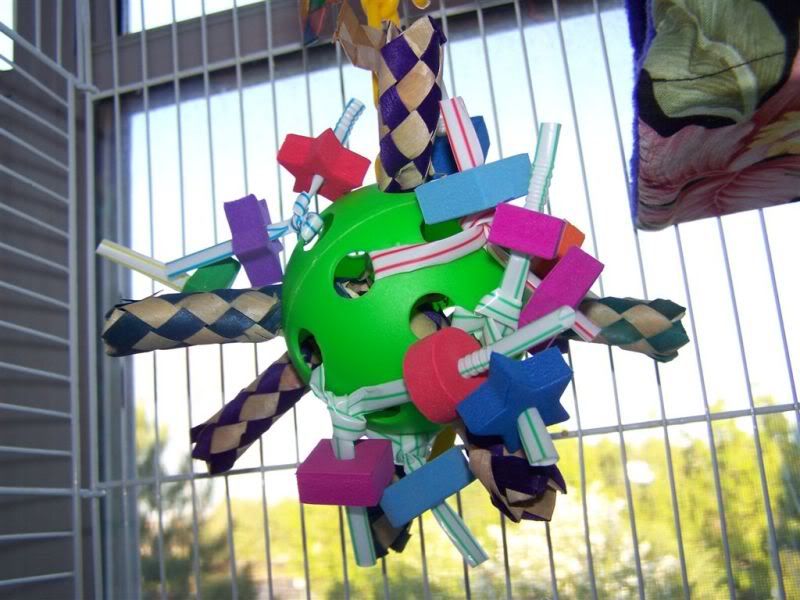
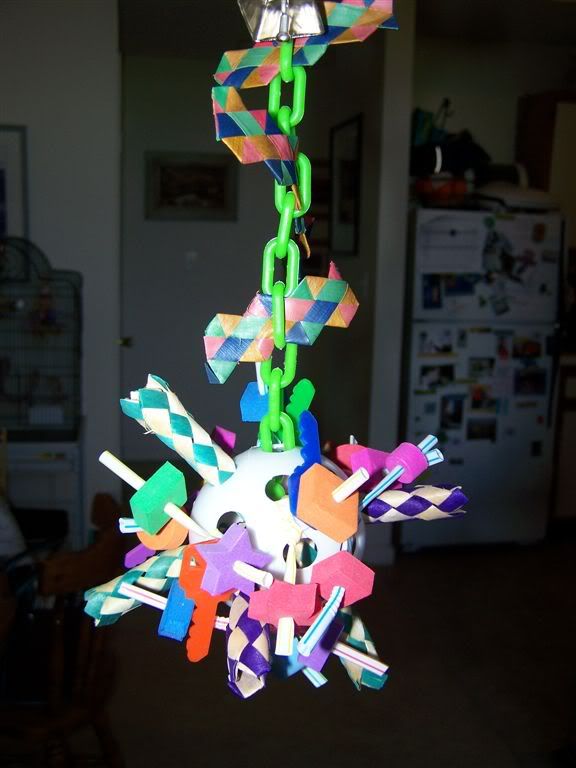
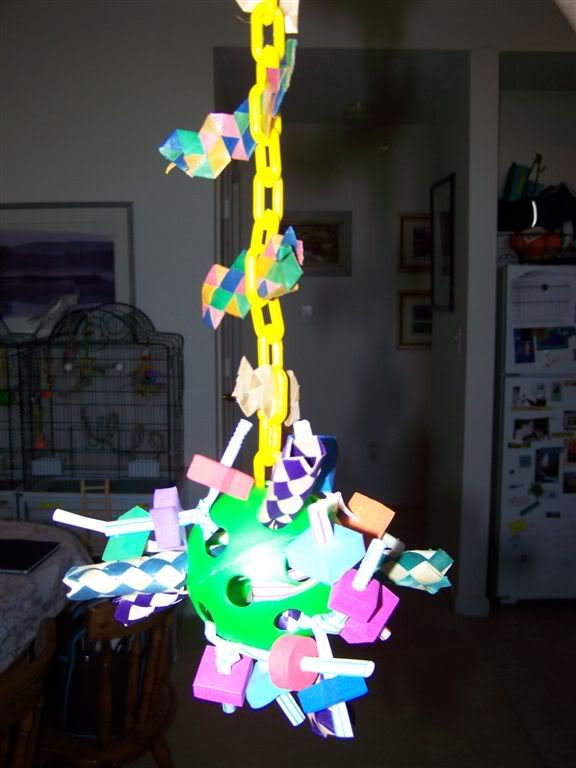
We were going to do the "reveal" of this new toy design at the bird fair, but we couldn't resist! Rodney is the designer! Depending on the response is whether or not we will make this a permanent addition to our website as "orderable" through our shopping cart. I just know that our birds love these. I'll show you a few that are fresh, and a few that have been worked on a little and a lot!

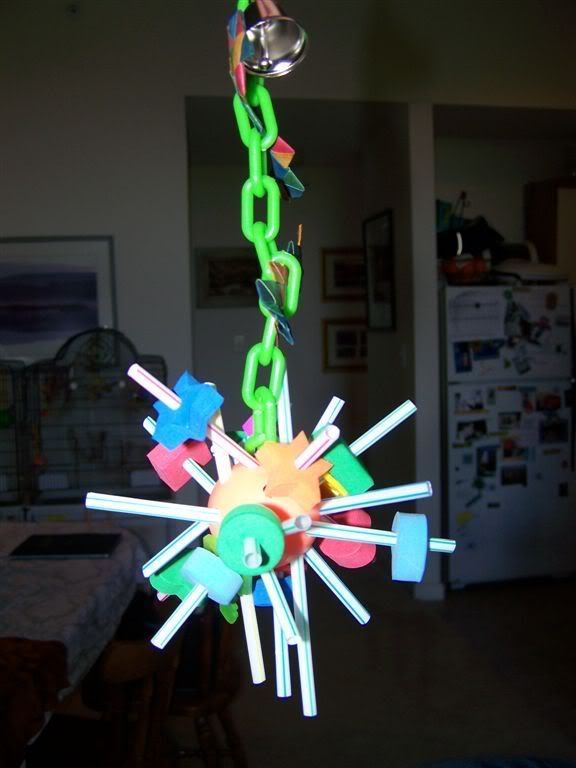
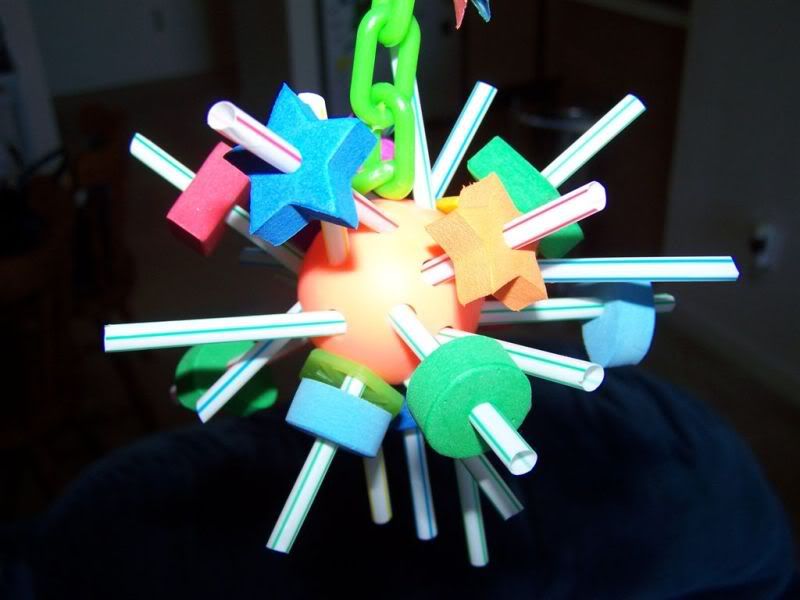
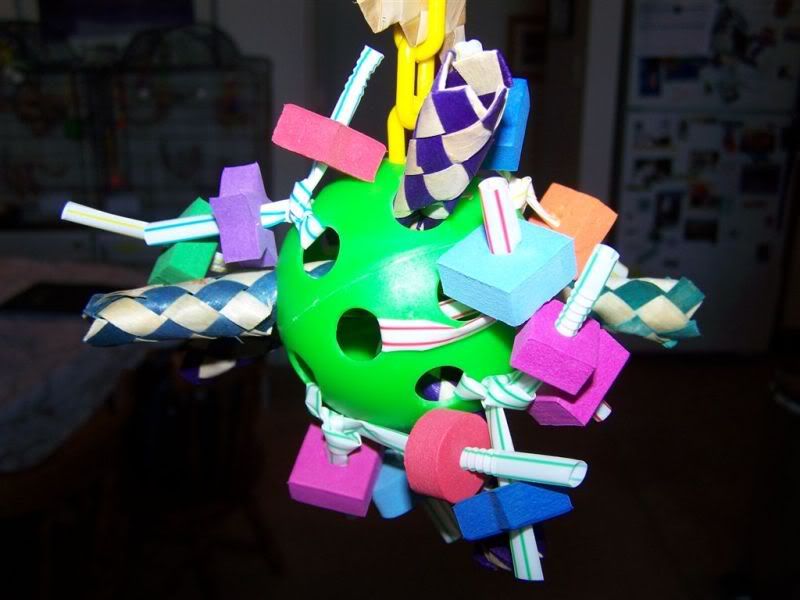
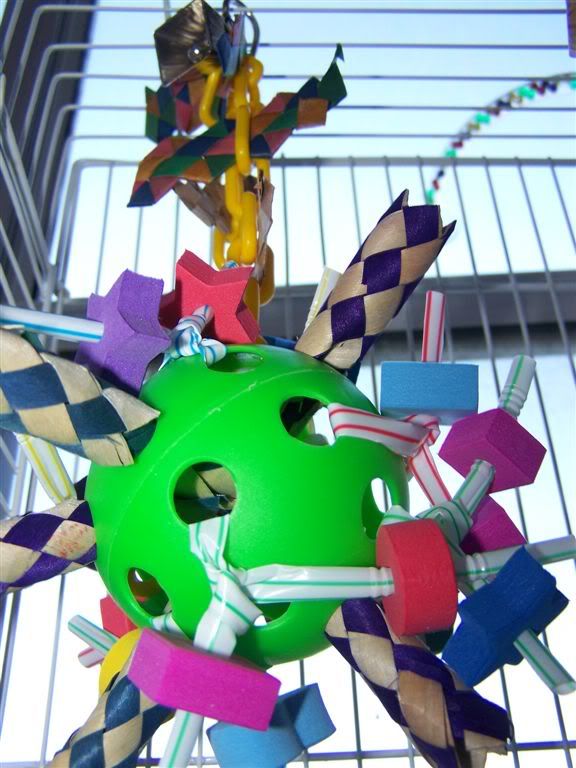
Here is a fresh Whacky Ball!

Rodney has been adding stuff and working on the design, but I think he's finally gotten it down to these fresh ones!

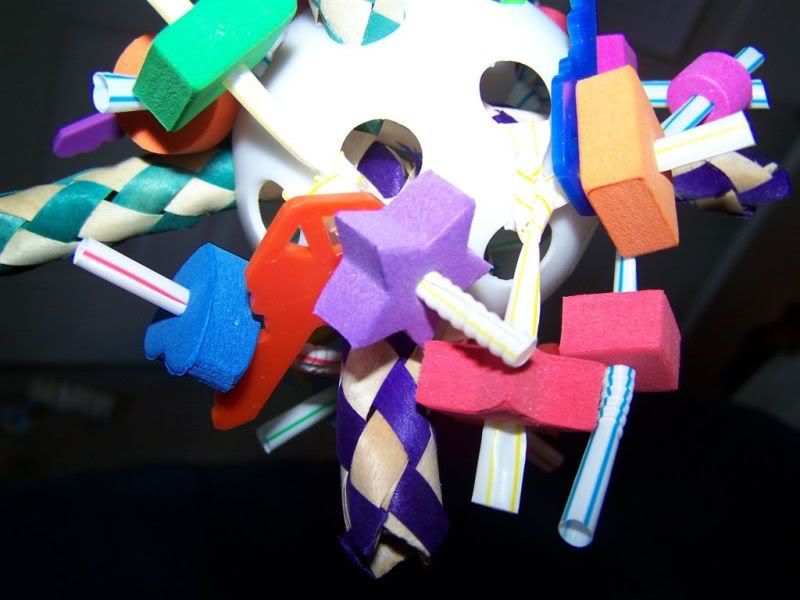
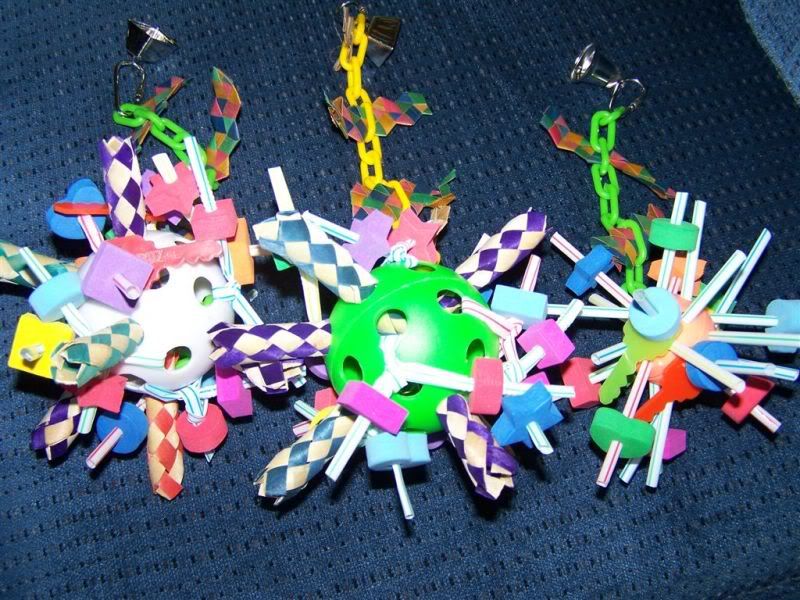
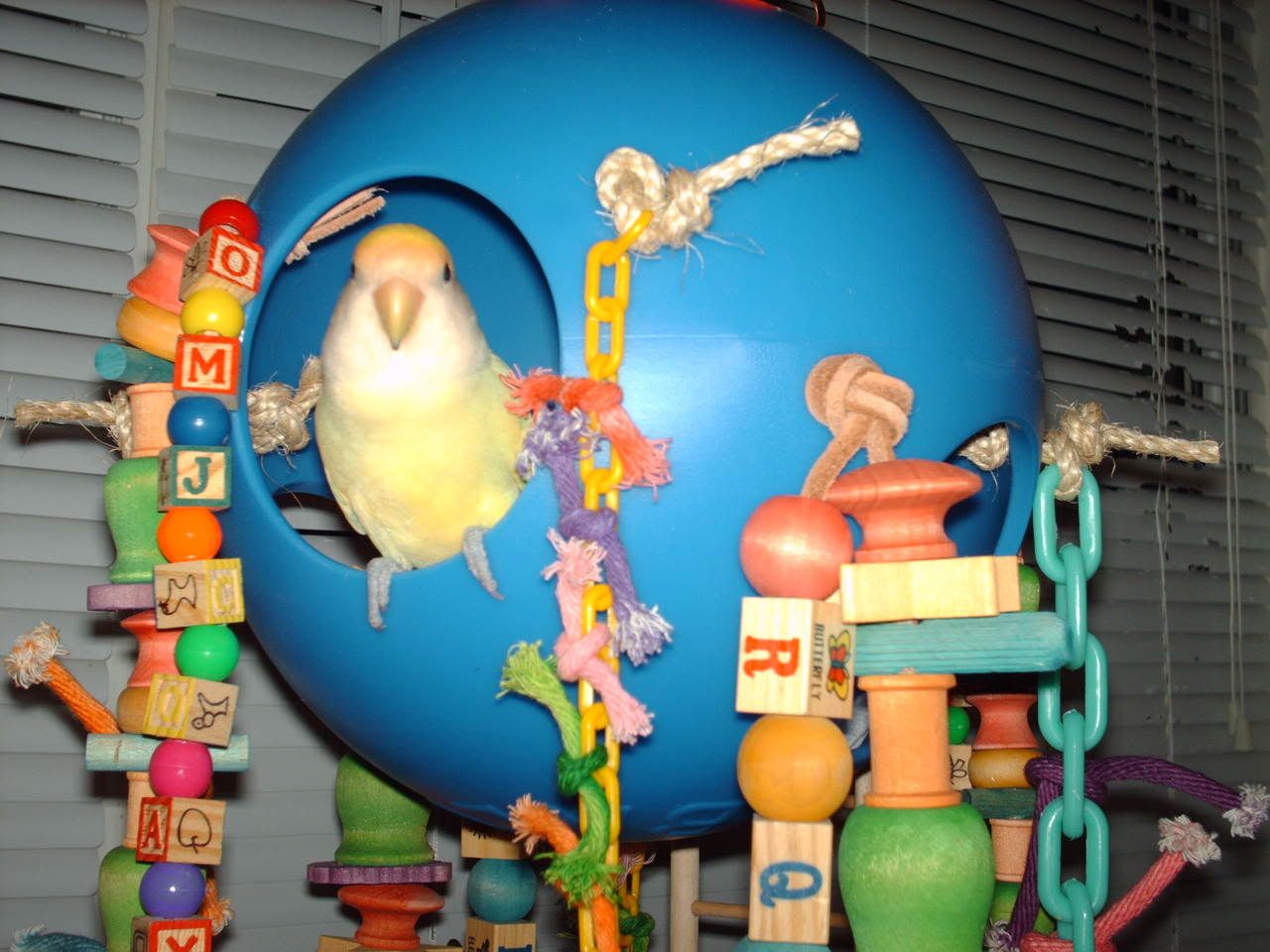
Up-close: wiffle ball, straws, chain, bell (at top, will do one at the bottom when we get the metal rings in we need), foam beads, finger traps, and shredables!

Mini-Whacky Ball

Super cool. Pretty much the same stuff, just a smaller ball.

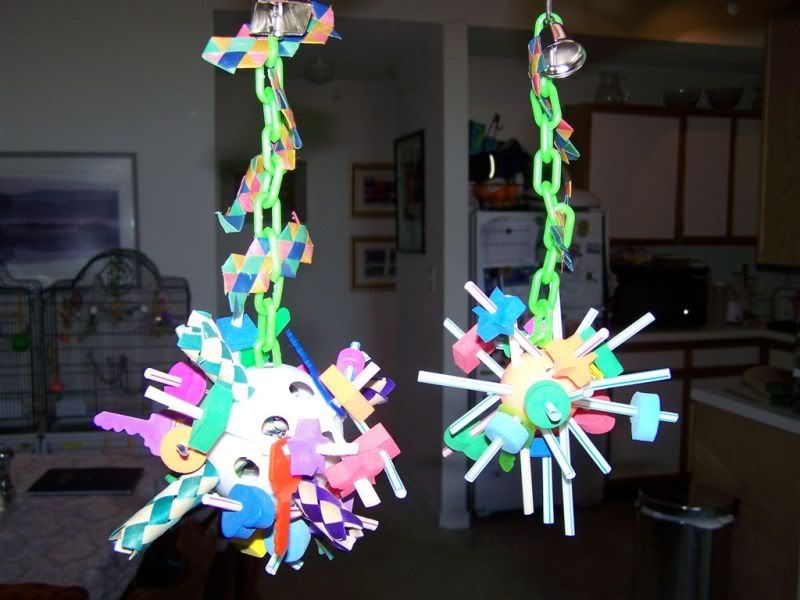
Compared.

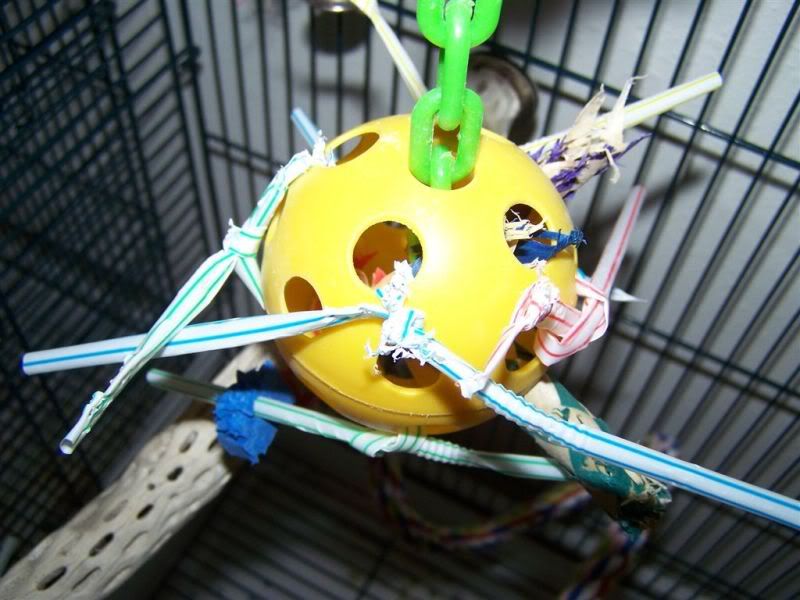
This is a not so fresh one. As you can see, it is bare. The breeders tore it up. The other breeder cage has one that is destroyed like this too. The cool part is, we are looking into a "re-fill pack" which can be ordered and includes the parts (except the ball, chain, bells) to deck it out again and instructions. So basically, it's re-fillable!

Here is another not-so-fresh one. Ashlee has been working on this one.

All of our birds, including lovebirds, budgies/parakeets, and our cockatiel can't get enough of this toy.

Here is another fresh one.

They are colorful, shredable, and fun!

3 fresh ones. 2 regulars & 1 mini.

In BeBe's cage. We had it in there for hardly a few minutes and it was already getting played with.
What are your thoughts? Do you like this toy? Comment!
Posted by
Tamara
at
3:56 PM
1 comments
Labels: Budgie, Cockatiel, Homemade Toys, Lovebird, Mini-Whacky Ball, New Toy, Parakeet, Shred, Whacky Ball
Tuesday, March 11, 2008
Birdie Cooking Show!
This is what we treat our birds with as often as we can on top of their other diet. It's kind of our version of a cooking show for birds!
For the daily food regimen:
Lovebird Daily Food Regimen Video
Featured:
Crazy Corn, Beak Appetit, Frozen Veggie Mix, Sprouts (Mung & Adzuki)
Posted by
Tamara
at
12:40 AM
0
comments
Labels: Beak Appetit, Cockatiel, Cooking, Crazy Corn, Food, Frozen Veggie Mix, Lovebird, Parakeet, Video
Thursday, February 28, 2008
Pigwidgeon's Tumor
The pictures I have below are for awareness and education. In no way do I intend to "gross you out" or depict something that is offensive. There are a few "graphic shots" below the shot of myself and Pigwidgeon.
This is Pigwidgeon right after we got him last year. Shortly after we got him (at the end of April 2007), our vet didn't give him a very good prognosis. He has lived longer than any of us ever thought he would and it is probably partially due to the better diet and companion he has with Hedwig. She really livened him up!
Well, his tumor has grown. I took him to the vet yesterday along with the babies. Originally, I thought I wouldn't need to, but Pigwidgeon had regurgitated on himself yesterday morning. This is one sign that the tumor could be affecting how he feels overall. He only has regurgitated on himself two other times, but it still frightens and upsets me when I find him after he has. As you can see, his lower abdomen is swollen.
What you are seeing here is actually his gizzard protruding out (like his intestines). Above it, I think you can see part of the tumor. Dr. Burkett has given him another 3-6 months prognosis, but who knows? He could surprise us! After we got home from the vet, Pigwidgeon seemed to be his normal (well, normal for him as of now) self again.
By the way, as we arrived to see Dr. Burkett, another woman was leaving with her budgies who had just been diagnosed with tumors as well. This is a heart-breaking normality seen in many budgies obtained from pet stores who get their budgies from breeders who do not control inbreeding. Click here for the original prognosis post from last year and info about the early symptoms of a tumor.
I love him. He is very dear to me. I will miss him, but I will also enjoy and cherish the time I have left with him.
Click the "Pigwidgeon" label below to see the pictures and posts of him over the past year.
Posted by
Tamara
at
12:11 AM
2
comments
Labels: Birdie Boutique, Budgie, Dr. Burkett, Parakeet, Pigwidgeon, Tumor, Vet Visit
Friday, February 22, 2008
Budgie Update!
His abdomen is swollen, and he doesn't tuck his wings as well as he used to, but he does fly really well around here!
Posted by
Tamara
at
4:58 PM
0
comments
Labels: Budgie, Hedwig, Parakeet, Pigwidgeon, Update
Dewey & Sierra
Our Breeders: Creamino x Dutch Blue Pied Peach-Faced Lovebirds
The Next Generation....
Of Bird Lovers!
Size Comparison
Each are 2 days apart (Youngest to Oldest: Left to Right)
Where People Get Their "Pet" Birds
Here are the options in the USA where people get their pet birds. I did not include shelters and second hand opportunities though; just where you would be more likely to find a parent-raised or handfed baby. Also, I will explain their level of tameness of the birds, care, the knowledge of the people who either work or run the establishments, and any other thing I can think of.
1. Large, retail petstore chains: (ex. Petsmart, Petco, Pet Supermarket, and other franchises, etc.)
This is the absolute worst place you could find a bird to call your own. Both Petsmart and Petco get their birds from the Kaytee Preferred Birds program which has two facilities located in Florida. They are also establishing one in Las Vegas. Of the two in Florida, one handles parent-raised small birds such as finches, budgies, and lovebirds which they buy from various mass production breeders, and one that mass produces larger parrot species for intention of handfeeding. All the breeders and babies are fed a medicated diet that includes vitamins and minerals, as well as antibiotics including Doxycycline for bacteria growth. The great use of these antibiotics will weaken the immune system and make the future successful use of antibiotics questionable. Kaytee does not care about the emotional development of their birds since they already have a contract with Petsmart and Petco stating they need to produce a quantity of chicks and not a quality of chicks to keep up with the high demand of sales. All the birds are shipped from Florida or Las Vegas, so you might as well be buying a wild-caught bird from Africa, Central and South America, or Australia. These birds are then quarantined for three days or put out on the floor when stock gets low. The stock room where the birds are quaranteed is a poorly lit dungeon only having human contact during feeding and cleaning. When at the store the birds are fed a very poor seed diet which leads to fatty liver disease and death (so with their weak immune systems, the stress of being shipped, and fatty liver disease, people wonder why their parakeet from Petsmart died in just a week?) The birds when placed out on the floor, especially the smaller birds, are cluttered together in cages with improper food, perches, and little to no toys. The so-called "experts" are usually teenagers in High School or college who could not tell the difference between a cockatoo and a macaw. The only time the birds are handled is if a customer is interested, because the employees and their employers do not want to risk damaging their merchandise. Handfed babies are fed Kaytee Exact Handfeeding formula which is hard to digest in the bird's crop. Employees and Employers are not worried about socialization of the babies; their only concern is to feed them as quickly as possible so they can bag up more fish, the true highest profitable merchandise, for customers. The only way to stop this travesty of mass production of chicks is education to the public to stop buying birds at retail pet centers.
2. Local Small Business-owned Pet Stores:
The knowledge of the staff varies greatly depending on the expertise of its people. Even with a very knowledgeable and educated staff, it is near to impossible to socialize each and every bird and care for their emotional needs. Employers and Employees have their minds preoccupied with cleaning cages, feeding birds, stocking, handling accounts, and simply dealing with customers; because first and foremost, it is a business. Many pet stores handfeed their own babies, but even the best bird stores forget that they need to continue socialization and establish a constant routine of playtime after they wean. Pet stores is where I see the vast majority of sweet, handfed babies turn wild after weaning.
3. Large-scaled Breeders:
Very similar to the suppliers of babies to the large retail pet chains. Large-scaled breeders mass produce large amount of babies for profit. So unless they have a staff that dedicates their entire time to feeding, playing, and socialization, the emotional needs just can not be met simply due to the sheer numbers of birds. These breeders are contracted to pet stores, other breeders for future stock, and other clients to provide a quantity of birds for future or present profit. Not all large-scaled breeders have inhumane practices. Steve Hartman of Hartman Aviaries and Gail Worth of Aves International not only care about their babies, but also the wellbeing of their parents also. Large-scale breeders also have the means to establish breeding stocks that could develop the possible domestication of parrots through line breeding. Also, mutations and other genetic changes could be studied in a more controlled environment.
4. Small-scaled Breeders (like us):
Many of these breeders are hobbyists, though some can make a living and breed for profit. These breeders tend to have a intimate relationship with each baby that they raise. This intimacy could lead in studies of developing co-parenting. Personally, I believe that this is the best place to find a new, loving feathered family member as long as the breeders breed in a moral way with not only thinking of the wellbeing of their babies, but also their parents. Small-scaled breeders tend to keep their pairs within their homes unlike large-scaled breeders who breed in either large flight aviaries or warehouses.
Our Lovebird Babies!
Cute, Tame, Playful, Well-socialized!
Pepsi or Coke?
I guess Pepsi, or not Diet!
Things We Have Learned as Birdie Parents:
Toys, Playgrounds, and Foraging for Parrots
1. Destructible toys that appeal to a parrot’s instinct to chew. These toys include: branches with bark, finger traps, bird candy, milled wood, chipped wood, straw, cholla, cork, leather, paper, jute, hemp, weaved palm leaves, etc.
2. Sound-related toys for the instinct to communicate. These toys include: bells, stainless-steel or nickel-plated liberty bells, metal pipe bells, plastic pipe bells, rattles, and clackers, bird music boxes, sound-repeating devices, and any toy with resonating properties from plastic, paper, or metal cups.
3. Interactive toys for the bird’s intelligence or emotional needs. These toys include: beads, puzzle toys, foraging toys, snuggling or comfort toys, hiding or peeking-out toys, surrogate enemy toys, foot toys, and mirrors.
4. Exercise toys for physical activity. These toys include: swings, appropriate perches, platforms, playgrounds or trees, and boings.
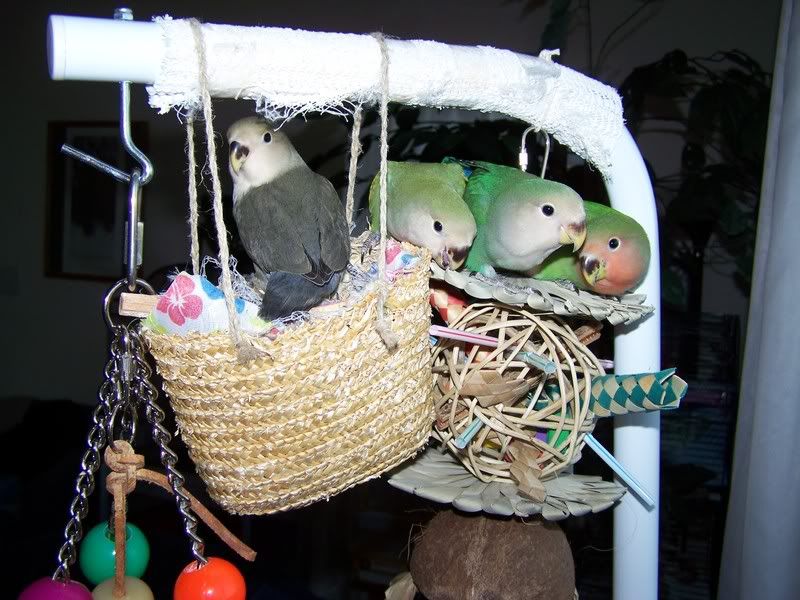
Foraging is simply the act of finding food. Very simple in definition, but great in the impact it can have on the lives of our birds. Having our parrots work for their food is one of the best stimulations that we can provide. It does not matter if you have a budgie, lovebird, amazon, or a macaw, behavior problems will diminish if a parrot has the opportunity to forage for their food rather than eating straight from a bowl. In the wild, a parrot will occupy 60%-80% of their time searching for food. During their mission, a parrot will fly, use problem-solving skills, and manipulate their environment to find that prized morsel. This is a very heart-wrenching revelation considering our parrots, according to recent scientific studies, on the average spend only 15 minutes eating from their bowls and the rest of their time waiting for us in their cage for eight hours while we are working. Our beloved birds want more and deserve more. Our feathered friends have provided richness, stimulation, beauty, and love in our lives; should we not also provide them with anything less? A parrot needs to work for their food to stimulate both body and mind; their health will reap from the benefits also. Providing foraging opportunities is more work on our part, but the rewards are far greater with the antagonists of our selfishness. As our Avian Veterinarian Dr. Burkett states, “We put them in cages, the least we can do is provide the absolute best for them.”
5. Foraging opportunities for parrots include, but are not limited to, the following: natural foods and treats such as nuts, Nutri-Berries or Avicakes; foraging toys made specifically for birds; shredded paper, paper towels, or toys in a food bowl; supervised foraging on a playgrounds, trees, toy boxes, or baskets; hiding treats wrapped in carrot leaves or dark leafy vegetables, placing food in pinecones or stuffed in children’s toys such as a small dartboard from the local dollar store; taking treats and arranging them in the cage in a sheskabob; shreddable cardboard boxes with hidden treats; wrapping treats in paper and hanging them inside the cage, perch, or playground; placing food bowls in different locations in the cage providing several feeding stations. Wrap food in paper, paper towels, or paper bags and place in some stations while leaving others empty. Then, tape the top of the feeding stations with paper, or a destructible toy, so your parrot will first have to punch through the barrier and then remove the wrapped morsel; placing food in the holes of a cholla perch or destructible toys such as finger traps; hiding food in bird safe, untreated pine toys or cardboard boxes found in a craft store; foraging trays with hidden food and toys placed on the bottom or top of cages, playgrounds, or trees; having your parrot climb a branch, rope, or chain to his food, having your parrot lift a bucket or string to retrieve his food; sticking food in plastic waffle balls, teach flight training and retrieving, and my favorite: either hiding food in your clothes, making a birdie edible necklace, or holding your parrot’s food up high so he has to climb up you to receive his treat and the rewarding positive stimulation of his favorite sound, your voice.

As you can see, foraging is only limited to the creativity of your mind. It always “cracks me up” when my lovebirds get so excited even when they just find some pellets buried under a mass of shredded paper towels. It will take you a few extra minutes a day to set up foraging opportunities and stations, but the rewards, positive stimulation, and environmental richness will last a lifetime in the lives of your beloved birds.
~Rodney Money
If you would like to use this article, just quote us as the source! That goes for any of our articles on here!
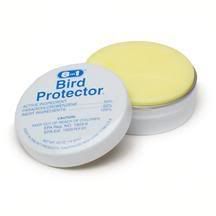
Bird Protectors

Chances are that at least once you have been browsing through the bird section of your favorite pet store and come across a product called a "Mite Protector". You may have wondered whether or not you need this product, and if it can really be beneficial to your pet's health.
A mite is a very small parasite that can infest the skin and feathers of most animal species. Truth be told, the vast majority of birds that were captive bred and have been housed in sanitary environments never experience a problem with mites or any other external parasites.
The "Mite Protectors" are usually small disc shaped containers designed to hang on the side of a bird's cage. The discs contain chemicals that release a fume to ward off mites, fleas, and other parasites -- but the fumes can potentially be harmful to the very thing you are trying to protect: your bird!
Birds have very sensitive and specialized respiratory systems, and the fumes given off by these Mite Protectors can be harmful or even fatal to them.
If you fear that your bird is experiencing a problem with mites or any other sort of parasite, the best thing to do is to schedule an appointment with an avian vet as soon as possible. Keep your pet healthy and happy by forming a good relationship with your vet and doing plenty of research on the bird products you are interested in before you use them.
Source: The Truth About Mite Protectors
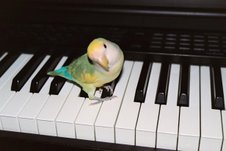
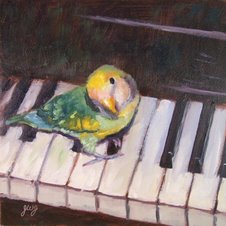
Takes after his Daddy
Making music in another way!
Featured:
Feeding Schedule and Socialization Goals
2 weeks old: 5 feedings every 4 hours (8:00am, 12:00pm, 4:00pm, 8:00pm, 12:00am.) Many other breeders only feed 4 times every 4 hours the first week, but we do not want the babies crying for food in the middle of the night. Just like human babies, there are small babies (Pixy!) and there are large babies (her brother Jelly Bean!), so the amount of food is going to vary around 3.5-4.5 cc’s. Tamara and I do not say, “Ok baby, you have had 4 ccs, your full!” No, we fill up the babies until their crops resemble a full balloon or when they simply do not want anymore. Feed the babies all at once; competition is your greatest ally. Well-socialization goal: babies should recognize you, have a wonderful feeding response, and have names.
3 weeks old: 4 feedings every 4 hours (8:00am, 12:00pm, 4:00pm, 8:00pm.) Just fill those crops until they look and feel like a full balloon. At 3.5 weeks old, the babies will start to chew on their bedding. This is the time to introduce “big bird” food. Fresh, chewy Avicakes are the perfect introduction to solid food. Avicakes are highly nutritious unlike seed or millet. After babies are fed baby food, place a very small crumb into their mouths. This works great as a birdie pacifier also. We never feed them mashed-up or soft foods for weaning. Starting them on what they will eat as adults is best. After they are eating “big bird” food, we introduce small foot toys and toys they can shred. Well-socialization goal: babies try “big bird” food, recognize your voice, and step-up on your palm to be fed.
4 weeks old: 3 feedings every 6 hours (8:00am, 2:00pm, 8:00pm.) We never drop their feedings to three until we know they are eating the Avicakes on a regular basis. This is the time when we introduce crushed-up Nutri-Berries and a small pellet like Roudybush Crumble. Depending on the size of the baby, they should be receiving around 6 ccs at this point. Once again, feel the crop and if the babies refuse, do not force them to eat. After we feed them baby food, we place them over the solid food bowl. This is the time we introduce a small dish of water also. Well-socialization goal: babies play with toys, eating adult food on a regular basis, and cry out not only for baby food, but for attention also. Some of the older babies at this point have a natural protective instinct of their siblings and territory, so to dilute this trait we lay down on the floor, cuddle, play with them with their toys, and feed them adult food by hand after each feeding. When they have fallen asleep, we place them back into the brooder.
6 weeks old: 1 feeding per day at 6:00pm or 8:00pm (babies can feed from 7-10 ccs at this point.) If we have a large clutch, 4 or more babies, the prodigies will normally wean during this week. Well-socialization goal: babies are filling up on adult food in the morning, babies want to come out of their weaning cage to fly, cuddle, and most importantly play with toys independently on a playground. Babies should never be on a person all the time when they are outside of their cages. They have to learn independent play and have foraging opportunities.
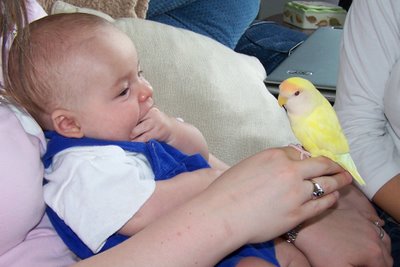
7 weeks old: A baby should wean at anytime now. If they do not cry for their evening feeding, then do not give it to them. At 7 weeks, we introduce cooked foods, fruits, sprouts, and veggies. The babies will see the adults eating the food and will follow their lead. Many breeders and pet stores separate their babies in individual cages so they will not bond with each other. This is one of the worst things they can do for a baby, especially one that has not weaned yet. Birds need that competition of the food bowl, thus learning to eat on their own and whenever food is presented. Lovebirds that also learn to compete for food will naturally compete for your attention also thus making trust issues virtually nonexistent. Well-socialization goal: the babies step-up from inside their cage, and the babies are excited to see you. Babies need a reason to want to come out of their cages such as a playground. That, plus routine, is the key to a well-socialize parrot and not one that is caged bound and only finds security in the confounds of their bars.
8 weeks old: Weaned. If you decide to clip, never clip a bird before they wean or they might not ever see a reason to get off the baby food. This is nature’s way: stop begging, get off Momma’s fat baby food, and fly! Even though socialization starts as early as two weeks, true socialization actually starts the week babies wean. Too many times we have seen and heard stories of birds that were handfed, but they turned wild. It happens during this week. The babies no longer need you as a source of food, so you need to show them that they still need you for other reasons: love, another source of fun, security, and socialization. During this week, most birds forgot you ever handfed them. All handfeeding does is that it gets a bird use to the presence of humans. So during the week your babies wean, the most important thing any of us can do is to continue a balance of training, positive reinforcement, cuddle time, and independent play. Why is a well-socialized parrot such an important goal? The simple answer is because they will live with people. If a bird is truly trust worthy, affectionate, and socialized, then chances are their humans will see them more than just birds in a cage, but as true family members. Thus, living a full and enrich life in a human household. Well-socialization goal: babies enjoy a great head rub and have first full vet check from an Avian Veterinarian.
~Rodney Money True Love Aviary


(919) 322-9334 (after 5pm EST, M-F; 10-2pm EST, Sat)